
The weekend field guide
Rock swap or gem show: which one fits you?
A rock swap and a gem show are different events. Compare what each offers beginners, collectors and sellers, and learn how to choose and behave at either.
A rock swap is a casual gathering where people trade and sell material, often organized by a club in a park or hall, while a gem show is a more structured event with dealers, displays and a wider mix of goods. If you want to trade, learn and meet local collectors, start with a swap; if you want to browse a broad range of material from dealers, go to a show. Many people enjoy both.
This guide explains how the two formats differ, what to expect at each, how to behave, and how to choose if you are a beginner, a collector or someone thinking about selling. Format names are used loosely, so read the listing and the organizer's own page to see what a particular event is.
What a rock swap is
A rock swap is a gathering where people bring rocks, minerals, fossils, slabs, rough and sometimes finished work to trade, sell or give away. Many are organized by clubs, often outdoors in a park, a fairground or a parking area, or in a community hall. They are usually relaxed, with people laying material on tables or tarps and wandering among each other's piles.
The attraction is the conversation. People trade stories as much as stones, and you will often see members of the club explaining material to beginners. The tone is friendly and the pace is slow. Swaps vary in size and in how formal they are, and some have fixed hours and fees for sellers while others are loosely organized.
What a gem show is
A gem show is an organized event with a venue, set hours and usually a mix of dealers selling minerals, cut stones, jewelry, beads, fossils and lapidary supplies. Many also have displays by clubs or museums, demonstrations and sometimes talks. Dealers rent tables or booths, and the organizer sets rules for setup, display and what may be sold.
Shows range from small club events in a gym to large commercial events with hundreds of dealers. They attract a wider range of visitors, from families to serious collectors. If you want to see a lot of material in one place, compare dealers and buy quality specimens or jewelry, a show is the better fit.
How they differ for visitors
At a swap, the main activity is trading and talking. You can bring a few items to trade even if you are new, and you can learn by listening. Prices tend to be modest, and bargaining is part of the culture. You may find unusual local material and a chance to ask about places to collect, though always check the rules for any site before you visit.
At a show, the main activity is browsing and buying from dealers. Prices vary widely, from small tumbled stones to museum-quality specimens. You can expect organized labeling, displays and sometimes educational activities for children. You will usually pay admission, and the hours are published by the organizer.
Which is better for a beginner
Both can work. A swap suits a beginner who wants friendly advice and low cost. A show suits a beginner who wants to see a range of material and get a sense of what the hobby involves.
Etiquette at a swap
Ask before you pick up anything, especially specimens that look fragile. Say what you are interested in and see if the owner wants to trade or sell. Agree on terms before any exchange, and be fair; do not push a trade you know favors you heavily if the other person is new. Keep your bags and carts out of the way and be ready to share a table or a patch of ground.
If you bring material to trade, label what you know and be honest about what you do not. Do not take something you have not agreed on. Thank the organizers, who are usually volunteers. If children come with you, keep them close and teach them to ask before touching.
If you want to sell
A swap is a low-pressure place to try selling. Ask the organizer how sellers register, whether there is a fee and what you may bring. Bring small items, clear tags and a few ways to display them. A show requires more planning: you rent a table, follow setup times and often must meet requirements for labeling and display. Our guide on selling at a gem and mineral show covers that in detail.
In both settings, rules about what may be sold or traded, and about collecting the material, differ by organizer and place. Check federal, state and local rules, and the organizer's rules. This guide is general information, not legal advice.
How to choose
Think about your goals and your time. If you want a few hours of friendly company and cheap material, a swap fits. If you want a full day of browsing with a range of dealers, a show fits. If you are not sure, go to one of each. Look at the state pages for what is near you and the this-weekend page for events close to hand.
Read the listing and the organizer's page to see which format you are dealing with. A listing here links to the organizer's source and shows admission and hours when the source states them. If the listing does not say, ask the organizer.
Frequently asked questions
Is a rock swap free to attend?
Some are, and some charge admission or a fee for sellers. Check the listing and the organizer's page.
Can I bring my own rocks to trade at a gem show?
Rules differ by organizer, and some shows restrict trading on the floor. Ask the organizer before you bring material to trade.
What should a beginner bring to a swap?
A few small items to trade, a bag or box to carry things home, a notebook, and a willingness to ask questions.
Are swaps only for experts?
No. Many are friendly places for beginners, and club members often like to explain what they know.
Do I need permission to collect material I bring?
Collecting rules depend on the place and the land. Check federal, state and local rules, and the rules of the landowner, before you collect.
How do I find a swap near me?
Browse the state pages in this directory. If a swap is not listed, you can submit it for review.
Put your plan into motion
Find your next show.
Use the listing's official source to confirm the latest dates, public hours and entry rules.
Find shows in this directoryKeep planning
More useful guides
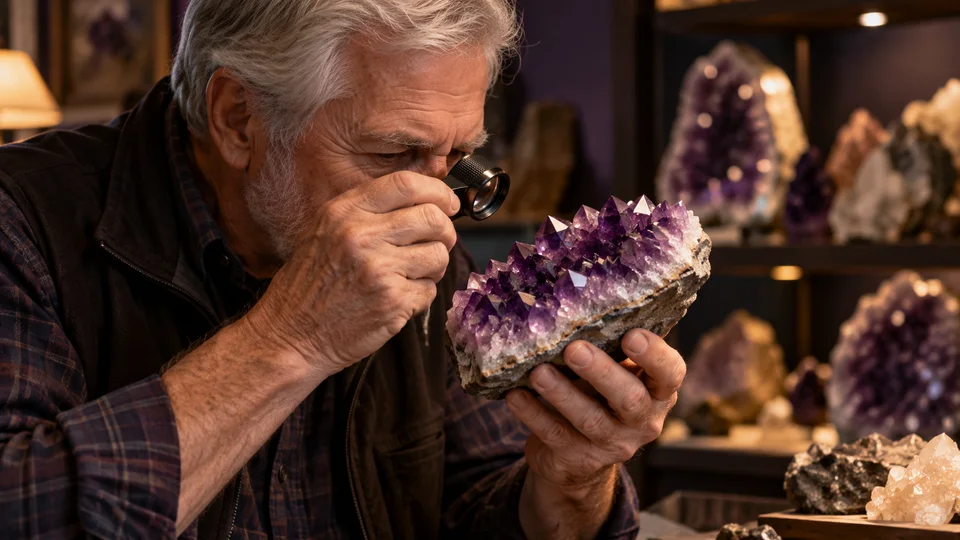
Planning your first show: a visitor checklist
Choose a show that suits your interests, confirm the practical details and keep the organizer’s information handy before you travel.
Read guide : Planning your first show: a visitor checklist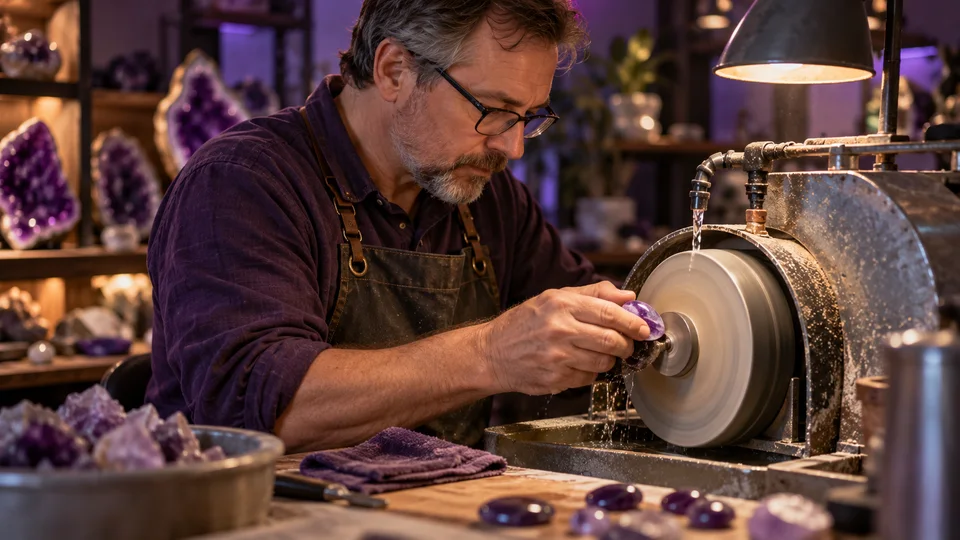
Preparing to sell at a gem and mineral show: a seller checklist
Confirm your seller application, table equipment, setup time and organizer terms before booking a place at a gem and mineral show.
Read guide : Preparing to sell at a gem and mineral show: a seller checklist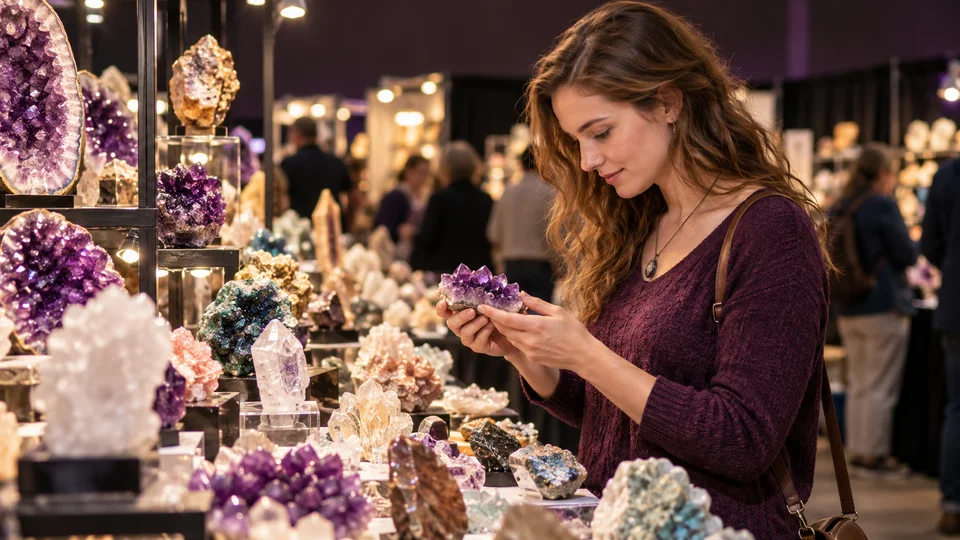
Selling at a gem and mineral show: what to settle first
Before you rent a table at a gem and mineral show, settle the dealer terms, labeling, display, treatment disclosure and payment, so your first show runs smoothly.
Read guide : Selling at a gem and mineral show: what to settle first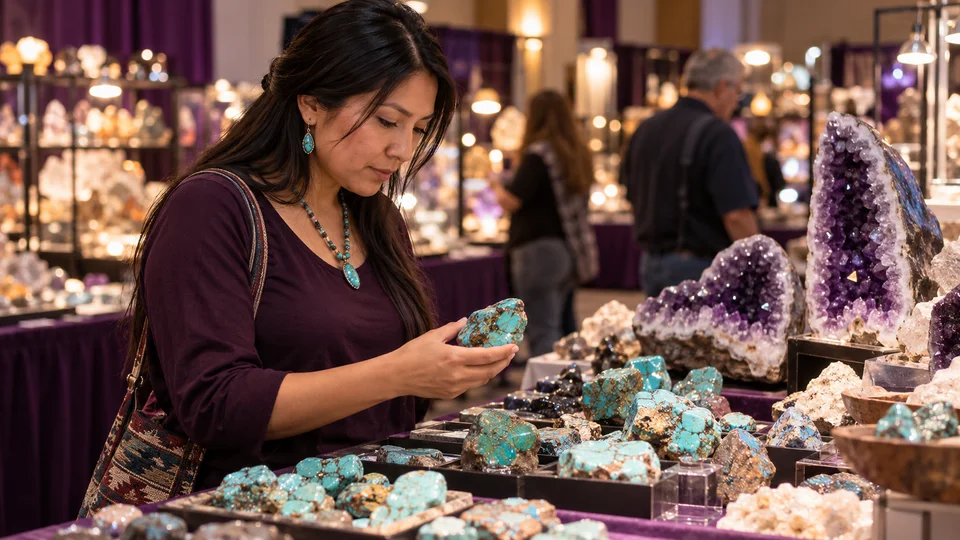
Planning your first large gem show visit
How to plan your first large gem show: choose days, separate public and trade sessions, set a budget, pack for the walking and verify what you buy.
Read guide : Planning your first large gem show visit
Bead shows and fossil shows: what to look for at a gem show
What to expect from bead and fossil dealers at a gem and mineral show: judging strands and findings, asking about fossils, buying with confidence and getting home.
Read guide : Bead shows and fossil shows: what to look for at a gem show