
The weekend field guide
Bead shows and fossil shows: what to look for at a gem show
What to expect from bead and fossil dealers at a gem and mineral show: judging strands and findings, asking about fossils, buying with confidence and getting home.
At a bead show, look for consistent stones, clean drilling and clear information about what each strand is made of; at a fossil show, ask what the fossil is, where it came from and whether it has been restored. In both settings the best buyers ask direct questions, compare tables before they spend and keep a record of what they bought.
This guide explains how bead and fossil shows differ from general gem and mineral shows, what to inspect, which questions to ask, how to buy responsibly and how to carry your finds home. It is general information, not legal advice; rules for collecting, selling and transporting some fossil and natural materials differ by place. Check the organizer's rules and the rules that apply where you live.
Beads, fossils and the usual gem and mineral show
General gem and mineral shows mix many goods. A bead show focuses on strands of beads, loose beads, findings, clasps, wire, tools and finished jewelry, and often draws jewelry makers, hobbyists and sellers. A fossil show focuses on fossils, with dealers selling specimens from many kinds of life and many periods, along with books, tools and sometimes displays.
Some events combine these with minerals and gems. If a listing says gem and mineral show, check its description for beads or fossils. If the description does not say, ask the organizer. The organizer's page, linked from the listing, is the best place to see who sells what.
Reading a bead strand
A strand of beads can look similar from table to table but differ in quality. Look at how consistent the beads are in size, shape and color. Natural stones have variation, but a strand should look intentional. Check the drilling: holes should be clean and centered, not chipped. Look at the finish: polished, matte, faceted or carved.
Ask what the beads are. Some materials are commonly dyed, heated or stabilized, and some are imitations of more expensive stones. Ask whether the color is natural or treated. A seller who knows their product will answer. Strands are usually sold by length or by piece, so ask how the seller prices and whether they will sell part of a strand.
Findings, tools and finished work
If you make jewelry, quality findings matter. Look at clasps, jump rings and ear wires for sturdy construction and a finish that will not wear off quickly. Ask what metal they are made of, and whether they are plated. If you are allergic to certain metals, ask specifically.
Tools and supplies appear at many bead shows. Try tools in your hand if the seller allows it. Finished jewelry should be examined for secure settings and clasps. Ask who made it and whether the stones are natural, treated or imitation. Bring a small notebook for ideas and measurements.
Understanding fossils
A fossil is the preserved remains or traces of ancient life, and fossil shows are a chance to see a wide range, from small shells to teeth, plants, bones and imprints. Specimens vary in rarity, quality and completeness, and prices reflect that.
Questions to ask
Ask what the fossil is, where and in what rock it was found, and roughly how old it is. Ask whether the specimen is complete, whether it has been repaired, restored or built up from several pieces, and what materials were used. Honest dealers explain restoration. It is common and acceptable when disclosed, but it affects value.
Spotting problems
Be careful with claims that seem too good. Look for signs of fillers, mismatched colors and glue lines. Ask whether the piece has paperwork, if relevant. If a specimen is expensive, consider waiting and doing your own research rather than deciding on the spot.
Rules and responsible buying
Rules about collecting, selling, importing and exporting fossils, and about some other natural materials, differ by place and by type of land. Some specimens may be subject to restrictions. Ask the seller where the material came from, and check federal, state and local rules and the organizer's rules. If a seller cannot say where a specimen was collected, that is a reason for caution.
Buy from sellers who provide receipts and descriptions, and keep them. If you ever want to resell or donate a specimen, documentation helps. This guide is general information, not legal advice, and a qualified adviser can tell you what applies to a particular purchase.
Packing, transport and display
Wrap fossils and beads carefully. Delicate fossils can crack and bead strands can tangle, so use soft paper, small bags and a sturdy box. Keep heavy items near the bottom of your bag. For heavy specimens, ask whether the seller can ship, and compare the cost with carrying it yourself.
At home, keep fossils away from heat and humidity extremes, and display them where they will not be knocked over. Label them with the name, locality, date and seller. Beads store well in small containers with dividers. Planning where things will live before you buy keeps a good find from becoming clutter.
Finding shows
Use the state pages to see gem, mineral, bead and fossil events near you, and open each listing's source for the organizer's own description. The organizers list shows who runs events in your area. Our guide on planning a large gem show visit is useful if you are heading to a bigger event.
Frequently asked questions
Are bead shows only for jewelry makers?
No. Many visitors are hobbyists, collectors or people who like to browse. Check the listing and the organizer's page for what is offered.
How can I tell if a fossil has been restored?
Ask the seller. Honest dealers disclose repairs and restoration. Look for glue lines, mismatched color and filled areas.
Can I collect fossils myself and sell them at a show?
Rules differ by place and land. Check federal, state and local rules, and the organizer's rules, before you collect or sell.
Are dyed or treated beads bad?
Not necessarily, but you should know. Many are sold openly as treated. Ask what treatment was applied so the price is fair.
Should I take notes when I buy?
Yes. A short record of the name, locality or origin, seller and date makes your collection easier to enjoy and to document.
How do I find bead or fossil shows?
Browse the state pages and read each listing's description, then confirm with the organizer.
Put your plan into motion
Find your next show.
Use the listing's official source to confirm the latest dates, public hours and entry rules.
Find shows in this directoryKeep planning
More useful guides
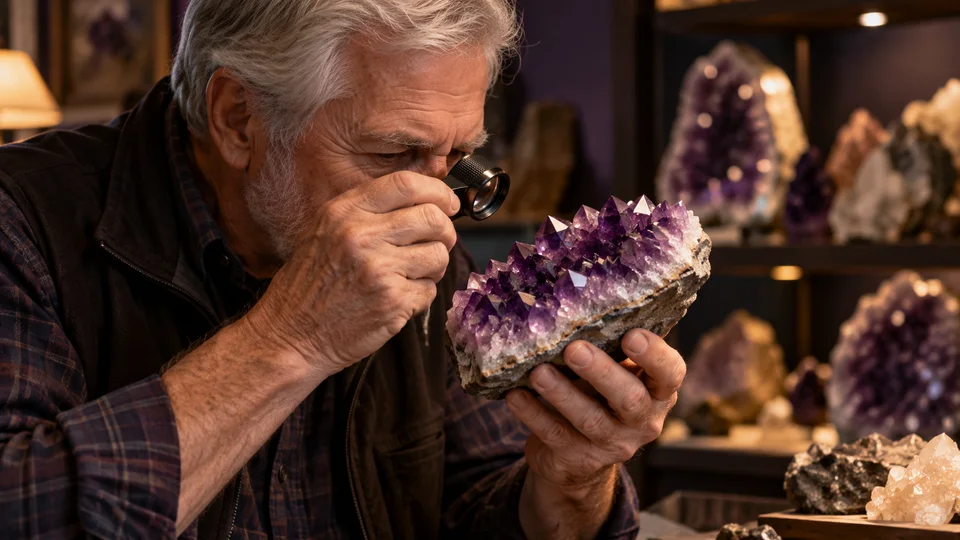
Planning your first show: a visitor checklist
Choose a show that suits your interests, confirm the practical details and keep the organizer’s information handy before you travel.
Read guide : Planning your first show: a visitor checklist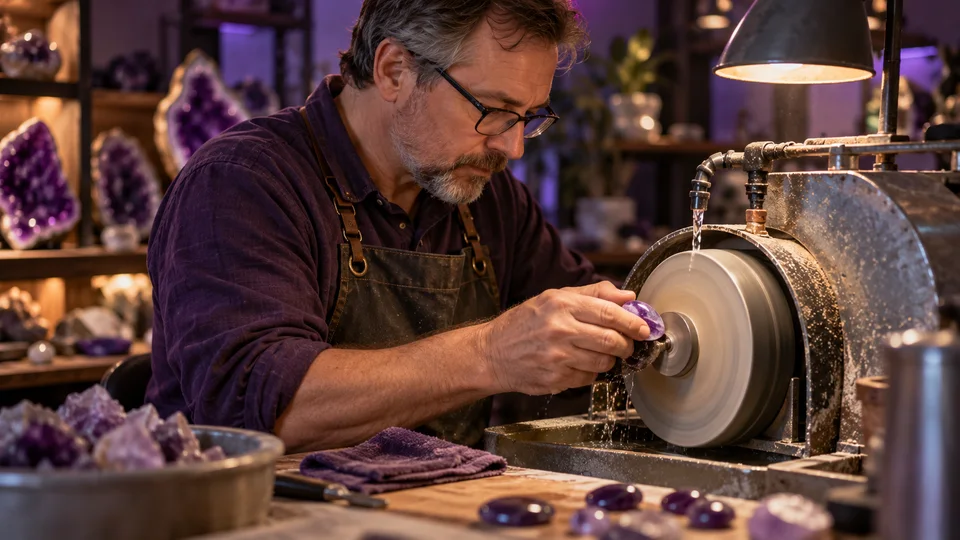
Preparing to sell at a gem and mineral show: a seller checklist
Confirm your seller application, table equipment, setup time and organizer terms before booking a place at a gem and mineral show.
Read guide : Preparing to sell at a gem and mineral show: a seller checklist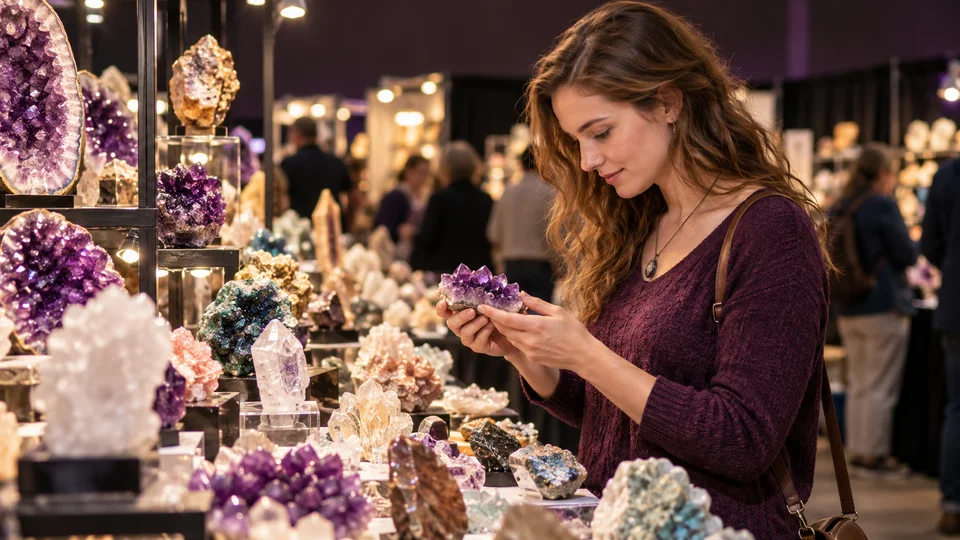
Selling at a gem and mineral show: what to settle first
Before you rent a table at a gem and mineral show, settle the dealer terms, labeling, display, treatment disclosure and payment, so your first show runs smoothly.
Read guide : Selling at a gem and mineral show: what to settle first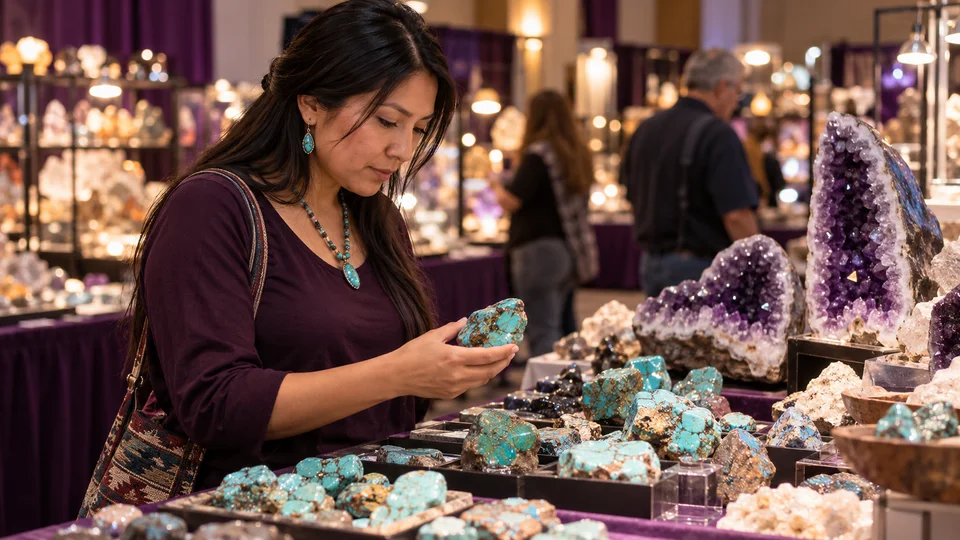
Planning your first large gem show visit
How to plan your first large gem show: choose days, separate public and trade sessions, set a budget, pack for the walking and verify what you buy.
Read guide : Planning your first large gem show visit
Rock swap or gem show: which one fits you?
A rock swap and a gem show are different events. Compare what each offers beginners, collectors and sellers, and learn how to choose and behave at either.
Read guide : Rock swap or gem show: which one fits you?